Posts

My Variants in Old Dyslexia-Linked Genes

Image
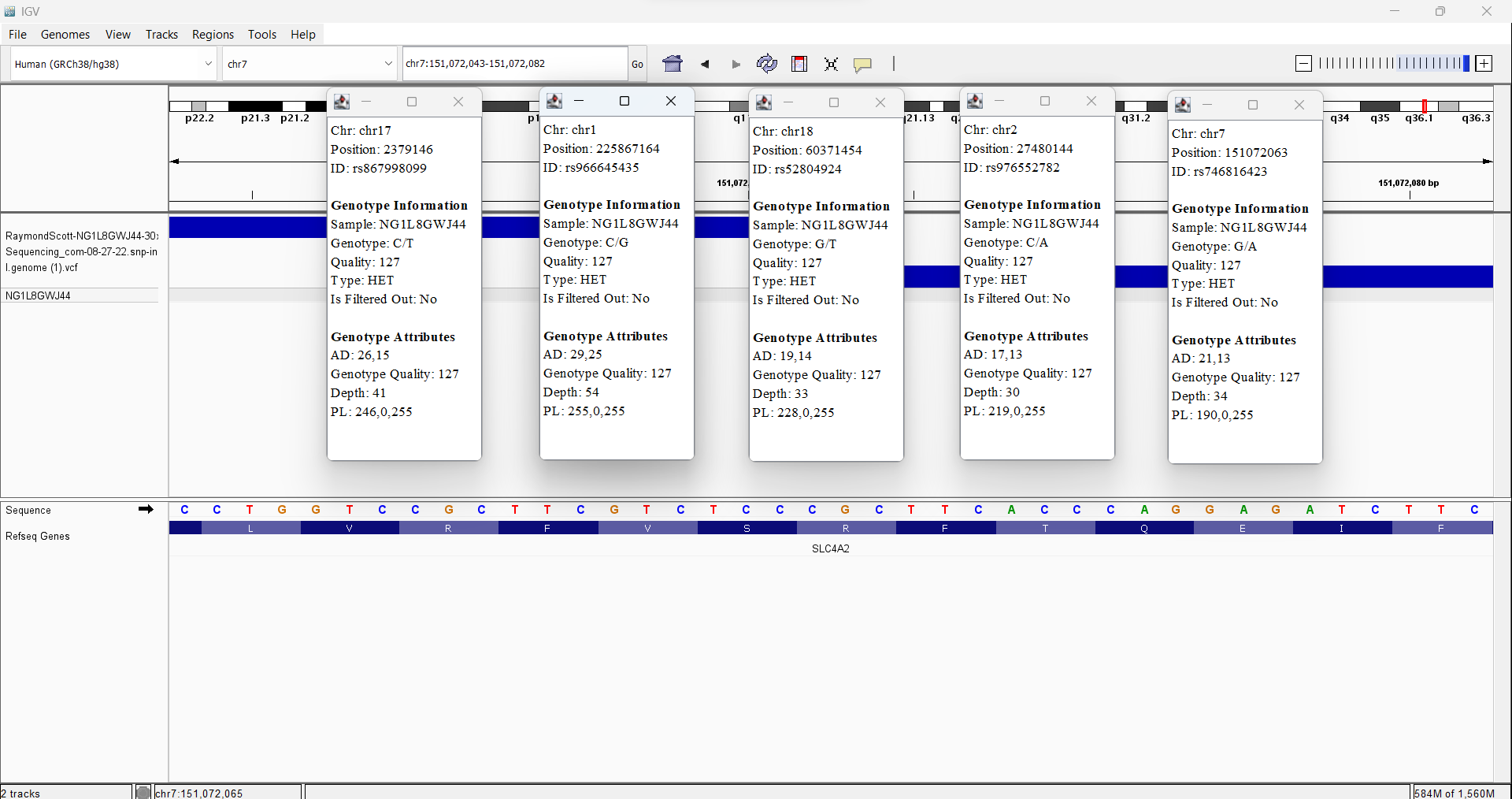
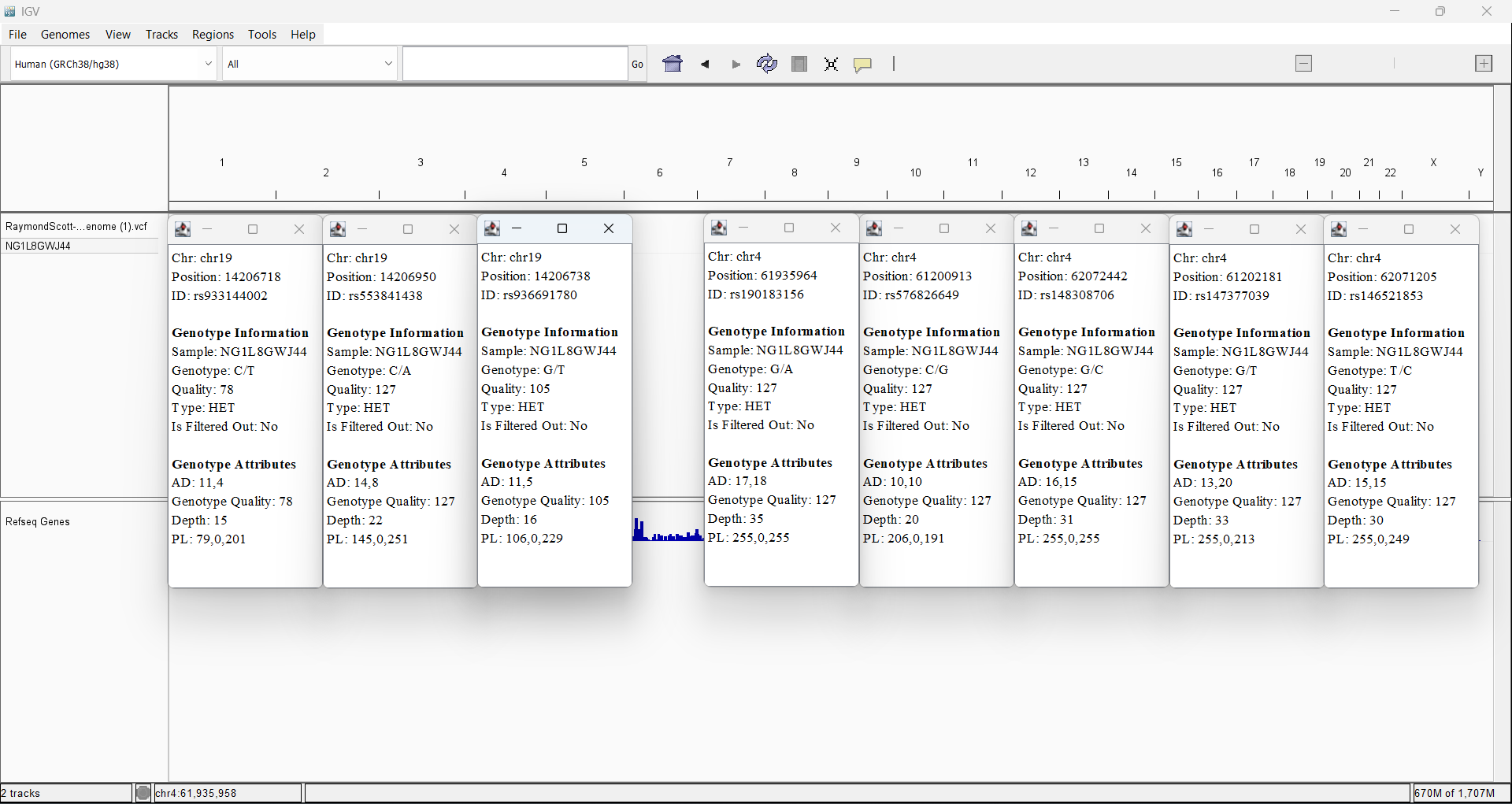
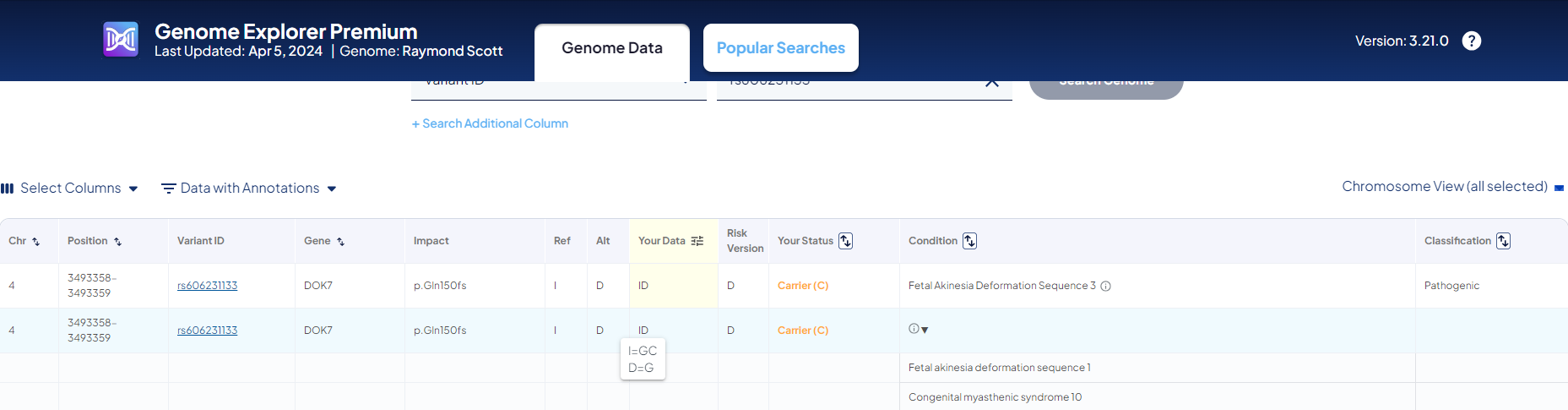
  This is a blog post about my variants in old Dyslexia-linked genes.    With my being a neurodivergent (having Dyslexia, Dyspraxia, ADHD) with Ataxia, I was very curious about genes associated with Dyslexia.  This concludes my Developmental Neurogenomics series of blog posts.  My Neurological Makeup includes both Neurodivergence and Ataxia https://neurodivergence.blogspot.com/2024/01/my-neurological-makeup-includes-both.html The DRD4 (Dopamine Receptor D4) Gene https://neurodivergence.blogspot.com/2024/01/the-drd4-dopamine-receptor-d4-gene.html My Potential Dyslexia Risk Factors Based On 2022 Published 'Discovery of 42 genome-wide significant loci associated with dyslexia' https://neurodivergence.blogspot.com/2024/02/my-potential-dyslexia-risk-factors.html My Potential ADHD Risk Factors based on 2022 Published 'Genome-wide analyses of ADHD identify 27 risk loci' https://neurodivergence.blogspot.com/2024/03/my-potential-adhd-risk-factors-based-on.html My Potenti...
My Attention Deficit Hyperactivity Disorder in Connection to Variants in Adhesion G Protein-Coupled Receptor Latrophilin (ADGRL aka LPHN) Genes

Image
  I learned that my Attention Deficit Hyperactivity Disorder (ADHD) is in connection to variants in Adhesion G Protein-Coupled Receptor genes.  I have three rare Upstream single nucleotide variants in Promoter region in Adhesion G Protein-Coupled Receptor L1 (ADGRL1) aka Latrophilin1 (LPHN1).  I have one rare Missense variant, one rare 3 Prime Untranslated Region (3'UTR) single nucleotide variant, two uncommon 5 Prime Untranslated Region (5'UTR) single nucleotide variant in Promoter region and one uncommon 3'UTR single nucleotide variant in Adhesion G Protein-Coupled Receptor L3 (ADGRL3) aka Latrophilin3 (LPHN3). All eight single nucleotide variants have disease-threshold allele frequencies less than the 5% frequency which is the maximum disease-threshold allele frequency that I use for Attention Deficit Hyperactivity Disorder. All have Combined Annotation Dependent Depletion (CADD) scores of at least 10 which means that they are predicted to be in top 10% of most deleter...

My Rare Frameshift Variants That Escape Nonsense-Mediated Decay

Image
This is a blog post about my rare Frameshift variants.  I focused only things only pertaining to the nervous system because of my interest in Developmental Neurogenomics as a neurodivergent with Dyslexia, Dyspraxia, ADHD.  I also have Ataxia which is a rare neurological condition that involves coordination problems like Dyspraxia does.  I used my Sequencing data  I used the Genome Aggregation Database (gnomAD) to check the allele frequencies, disease allele frequencies, and Combined Annotation Dependent Depletion (Scores). I consider only those with CADD scores of at least 20.   I used Ensembl's Variant Effect Predictor to see if they're predicted to escape Nonsense-Mediated Decay (NMD). One-third of all inherited human diseases are caused by nonsense or frameshift mutations that introduce a premature stop codon in a transcript. Nonsense-mediated RNA decay (NMD) is an evolutionarily conserved RNA quality control process that serves both as a mechanism to el...

My Rare Single Nucleotide Variants that are shown to be potentially Pathogenic according to In-Silico Predictors.

Image
This is a blog post about my rare Single Nucleotide Variants that are shown to be potentially Pathogenic according to In-Silico Predictors. I focused only things only pertaining to the nervous system because of my interest in Developmental Neurogenomics as a neurodivergent with Dyslexia, Dyspraxia, ADHD.  I also have Ataxia which is a rare neurological condition that involves coordination problems like Dyspraxia does.  I used my Dante Lab data in Enlis Genome Personal.  I searched for variants with frequences of less than 0.1% and predicted Deleterious according to DANN. Then I used the Genome Aggregation Database (gnomAD) to check the allele frequencies, disease allele frequencies, and Combined Annotation Dependent Depletion (Scores). I consider only those with CADD scores of at least 20.   Then I checked to see In Silico Predictions at Varsome.com. I considered only variants that have Meta cores that show potential to be Pathogenic and show no sign of being be...

My Potential Comorbid ADHD-Dyslexia Risk Factors based on 2023 Published 'Associative gene networks reveal novel candidates important for ADHD and dyslexia comorbidity'

Image
I read a Genome Wide Association Study about associative gene networks revealing novel candidates important for ADHD and dyslexia comorbidity.  I was very interested because of my being being a neurodivergent with Dyslexia, Dyspraxia, ADHD as well as Ataxia which is a rare neurological condition that involve problems with coordination like Dyspraxia does. Abstract Background Attention deficit hyperactivity disorder (ADHD) is commonly associated with developmental dyslexia (DD), which are both prevalent and complicated pediatric neurodevelopmental disorders that have a significant influence on children’s learning and development. Clinically, the comorbidity incidence of DD and ADHD is between 25 and 48%. Children with DD and ADHD may have more severe cognitive deficiencies, a poorer level of schooling, and a higher risk of social and emotional management disorders. Furthermore, patients with this comorbidity are frequently treated for a single condition in clinical settings, and the...